Interview with colleague of the month Natasha
Natasha, support worker, talks about what motivates her and how her lived experience of homelessness influences her.

Author
Reading time
Sign up to our newsletter
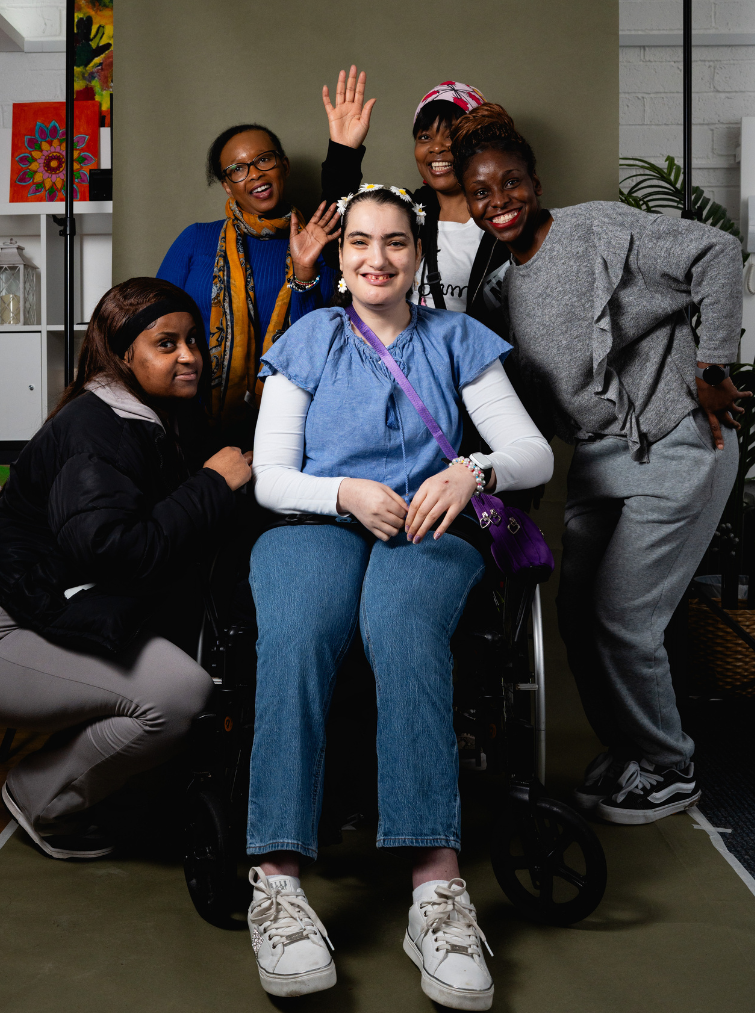
Congratulations to Natasha, who has won LDN London colleague of the month.
She supported a group of people to go to a fun fair. A new support worker, Dan, went with Natasha and was so impressed with her support that he nominated her for the award.
We spoke to Natasha about the experience and her role as a support worker.
Why motivates you in your role?
My motivation comes from seeing a change in somebody, seeing somebody’s abilities and their potential grow and grow and grow. I’m coming from a background where 25 years ago I was homeless. One person reached out to me and that changed my life. That person didn’t do things for me, they just kind of gave me time, were invested and got to know who I was. I was able to turn my life around. That’s where my motivation comes from. Because everybody needs that one person to see them as a person, to believe in them and not to see the disability or the environment they’re in.
Tell me about your trip?
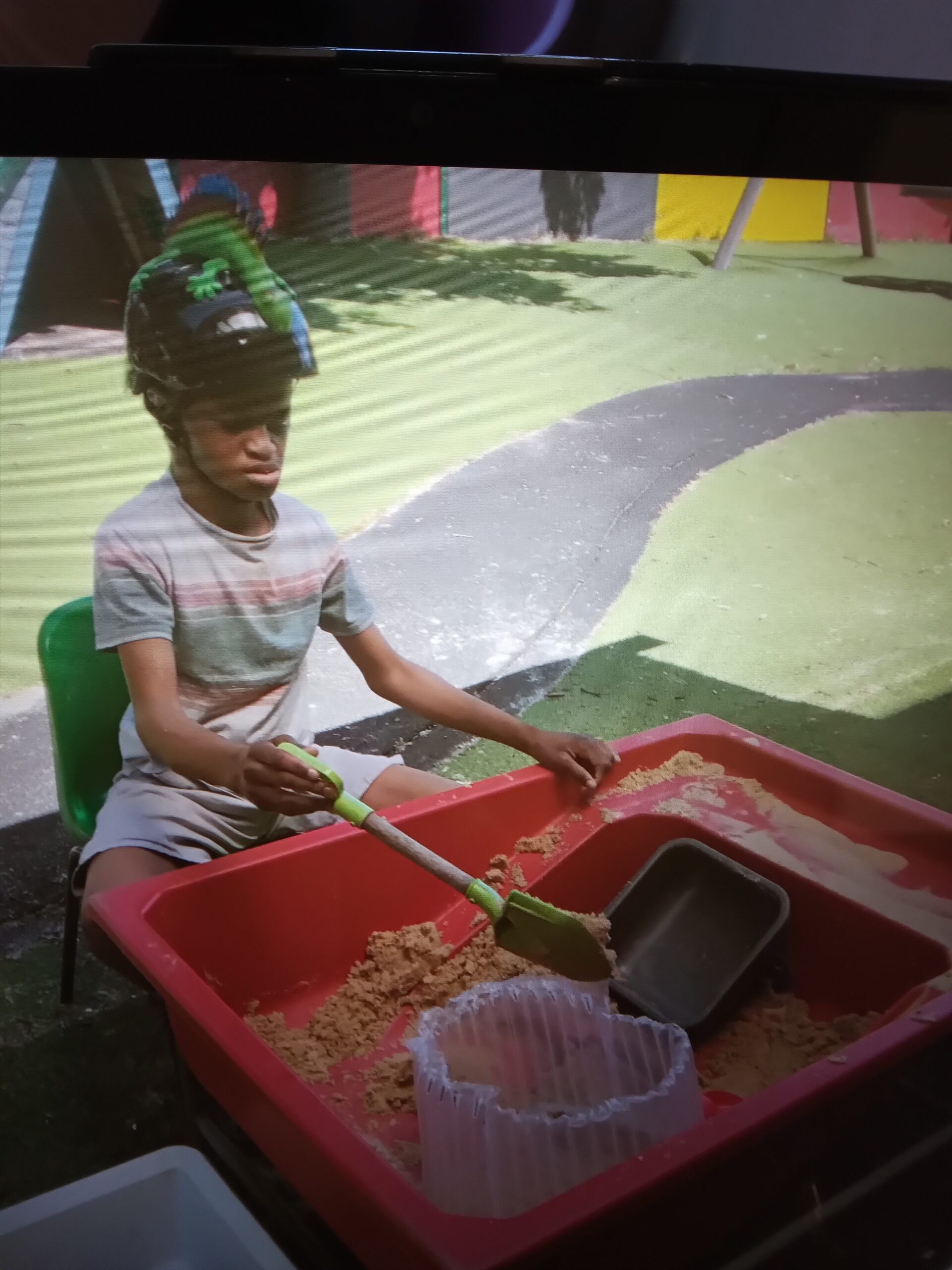
We took the bus down to Burgess park in South London. Some support workers limit where they are going so you don’t get to see the best of the person or what the person is capable of. So I pushed him that day, I organised for a few of us to go down to South East London as a group activity.
That was the first time the person I support had got on a ride at the fair. It showed me that the year of working with him one-to-one paid off. Even though he was scared to get on the rides, he did it. He didn’t just get on the rides once. He did it two or three times. And he got on well with Dan, the new support worker, who he didn’t know.
Tell me more about the person you supported?
I’ve been a support worker for over 25 years and I feel like this person showed me a lot about myself. Sometimes patience isn’t one of my greatest strengths and he really showed me how to be patient. Every morning to start the day I’d go to the park with him, and he’d stand there for 45 minutes under a tree. He’d watch the trees and the clouds moving. It amazed me. It set him up for the day ahead. He’d be watching the leaves and I’d say little things like, ‘What sound do the leaves make?’ He’d tell me ‘whoosh, whoosh’. For the first time ever I realised they are actually making noise.
It gave me a totally different perspective on the way we support. It hasn’t always got to be structured and regimented. Just watching him take pleasure standing under a tree. These are the things we take for granted. Now it’s something I do myself. It brings me a lot of inner peace.
We’re not just support workers, we’re friends as well. That’s the biggest thing I learned from this client. That’s what I try to convey to a new support worker.
Do you regularly help new support workers?
I definitely take that step to show them more than they would learn in an induction. I’m big on active support, on doing with and not doing for. Not de-skilling someone, building new skills, teaching new skills. If I am shadowing someone, I aim for active support, because that’s a key part of what we’re doing. It is going to open many doors: it’s going to build the rapport that you need.
How does your lived experience shape you as a support worker?
It was just one person taking the time, not looking at the situation, but seeing me as a person. I kind of used that for myself with my clients. I’m not seeing your disability. Yes, you’ve got a disability. But your disability doesn’t mean you can’t. You can, with the right support, the right help.
For me support work is not just a job. I’m in it because I like to see people go from strength to strength. I like to see them progress and to break the boundaries that society puts on them because of disabilities. I like to see them overcome those obstacles.