What is a learning disability?
A learning disability is a reduced intellectual ability to understand new and complex information and to carry out everyday activities – such as socialising, doing household tasks or managing money – which lasts for life.
People with a learning disability often find it difficult to do things on their own, learn new skills and look after themselves.
But everyone is different and learning disabilities can vary hugely from person to person.
Learning disabilities can be mild, moderate, severe, or profound. If you have a mild learning disability you may be quite independent and only need help to find a job or filling in complicated forms.
On the other hand, people with severe or profound learning disabilities often need 24-hour support and help with every aspect of their life. Some may also have physical disabilities.
People with certain health conditions, including Down’s Syndrome, often have a learning disability as well. Some autistic people have learning disabilities, but not all.
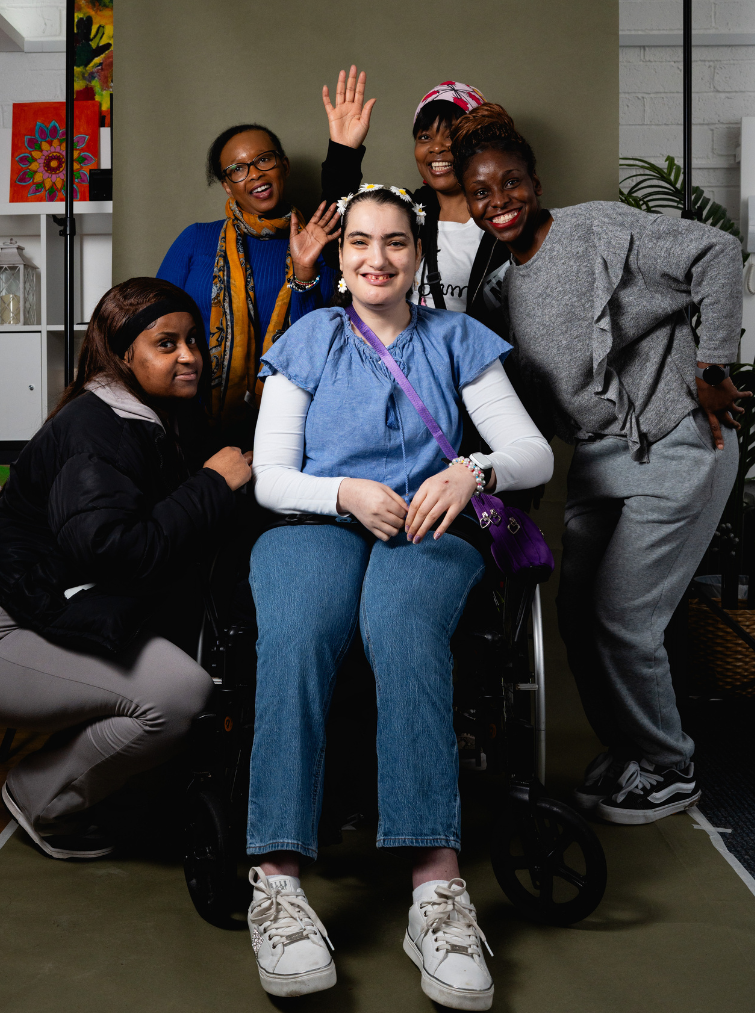
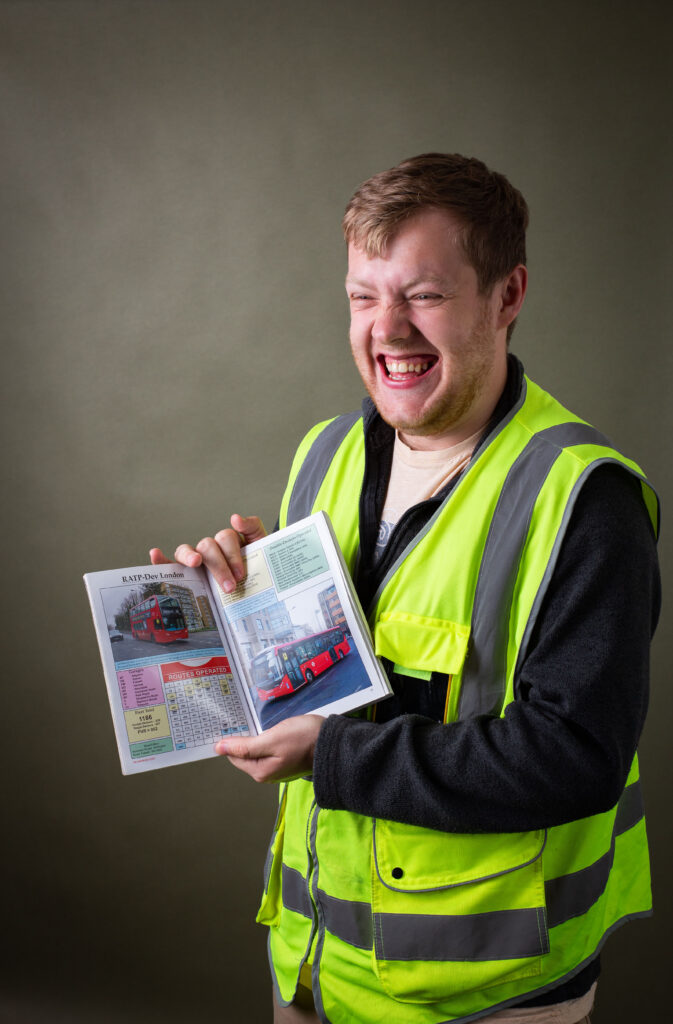
It’s important to remember that learning disability does not properly describe a person. People who have learning disabilities are whole human beings, with different personalities and interests. They are family members, friends, sportspeople, artists, activists, gardeners, gamers, comedians and much more. Everyone is different and unique.
At LDN London, we listen to people, respect them as individuals, and help them to live safe, happy, and healthy lives.
Types of learning disabilities
Learning disabilities and their effects can be different for each person. There are some things that people often have in common though.
People with mild learning disabilities may be able to do most things for themselves, including socialising and communicating well with others. However, they might need support to find a job or for other areas of life they find difficult.
People with a severe or profound learning disability can have big difficulties in understanding and communicating information, as well as learning new things. They often need extensive, 24-hour care and support to live their daily lives. People with severe learning disabilities often have other disabilities as well.
What health conditions are connected to learning disabilities?
If a person has certain health conditions, they might be more likely to have a learning disability:
- Down’s Syndrome
- Autism
- Williams Syndrome
- Fragile X Syndrome
- Global Development Delay
- Cerebral Palsy
What causes a learning disability?
Learning disabilities can be caused by an issue that changes how someone’s brain develops. This may happen before a person is born, in childbirth or in childhood.
The reason for this might be:
– A mother getting ill during pregnancy
– Problems during birth that stops enough oxygen from getting to the brain
– An illness, such as meningitis, or injury in childhood
A learning disability is also more likely if certain genes are passed on from your parents. (Genes are the biological information you get from your parents).
There are also some health conditions where you may be more likely to have a learning disability, such as Down’s Syndrome and Cerebral Palsy.
Some people with epilepsy also have a learning disability and so do many autistic people.
How to support a person with a learning disability?
We make sure that our support is person-centred, and we carefully consider someone’s unique needs. We have values which we follow when we support people.
Here are some general tips to follow when providing support:
- Respect a person’s choices, culture, and possessions. People should be able to make their own decisions and live in the way they wish – not be told how to live. Just as you wouldn’t want to be told how to live your life.
- Pay close attention and genuinely listen to the person you are supporting to understand their needs and choices. If you are supporting someone with profound and multiple disabilities, you may need to speak to their family or the people who know them the best to understand their communication needs better. The more you get to know the person the better you will be able to understand the ways they communicate, and they will better understand you in turn.
- Change how you communicate with the person you support. They may find it harder to understand what you are saying. So, you might need to speak slower, use signs and communication methods such as facial expressions, gestures, body language, pictures / visual aids and nonverbal communication, and ultimately adapt to fit the person.
- Some people with disabilities have additional communication needs, such as sensory loss, and autism. Again, better understanding the person’s ways of communicating will be key in having positive and successful interactions.
- Adapt to a person’s needs. Whether for day-to-day care, health appointments or social occasions, consider that people with learning disabilities might need more time and certain adjustments. This means they can safely go about their lives and can participate fully, as they should.
- Treat people with dignity and respect. Always.
Mencap have an invaluable list of resources, with information from many organisations, on their website: https://www.mencap.org.uk/learning-disability-explained/resources-healthcare-professionals
How can you help?
Support us
Donate to fund our new community hub. The hub will help people with learning disabilities learn new skills and enable them to play a greater role in their community. https://www.ldnlondon.org/harrow-road-project/
Join and event
Take part in a fundraising event and challenge yourself, while raising money to create a better world for people with learning disabilities. https://www.ldnlondon.org/get-involved/organise-a-fundraiser/
Become a support worker
We are always looking for caring individuals who want to make a difference to other people’s lives. Consider joining LDN London as a support worker, where you get to make a difference every day. https://www.ldnlondon.org/work-for-us/