LDN London visit Parliament for accessible voting report
Our Community Hub members helped with the research for a report by Disability Policy Centre.
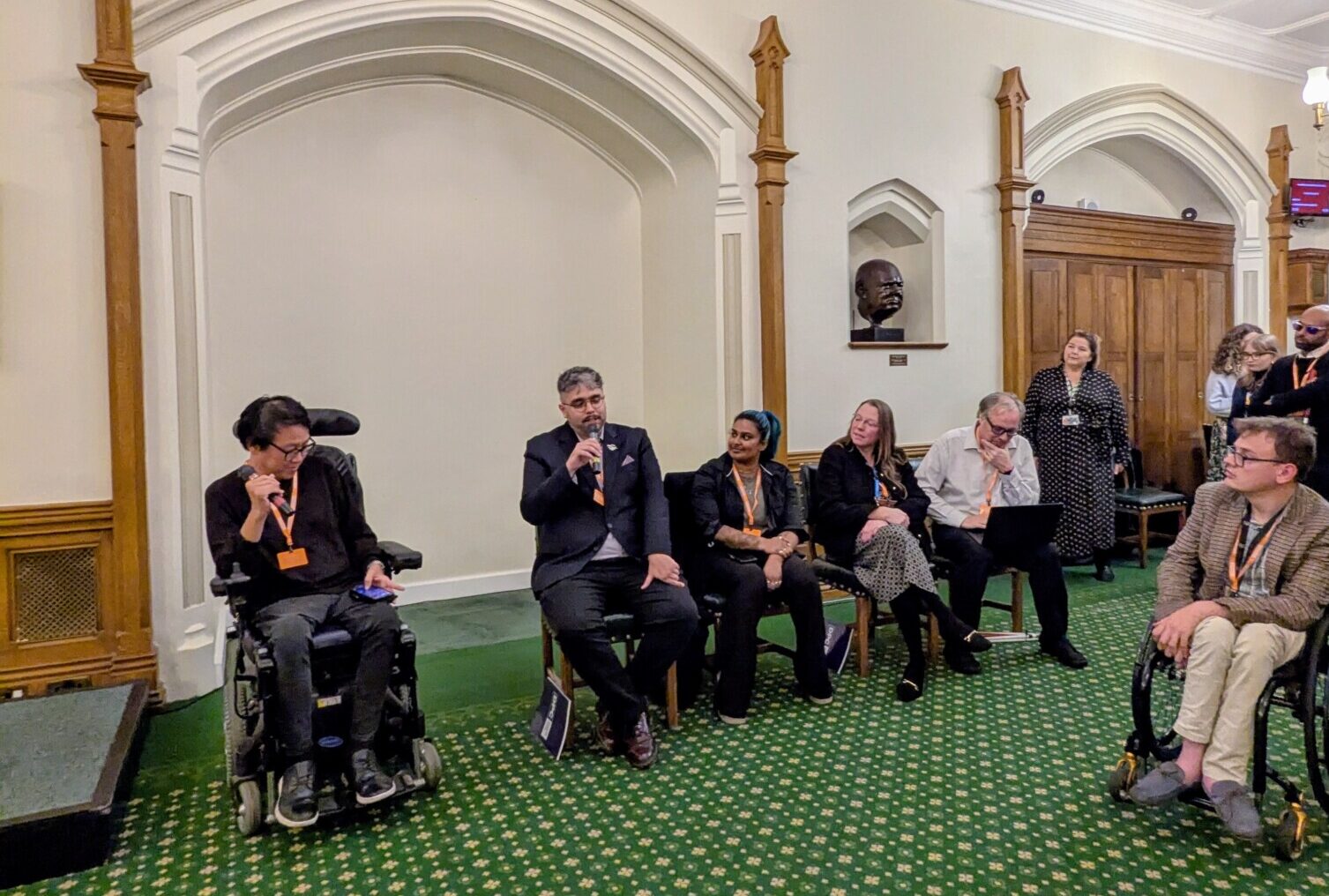
By Ciaran Willis, Communications and Fundraising Project Lead
LDN London’s Communications team visited the Houses of Parliament this week. We went to an event about accessible voting with The Disability Policy Centre.
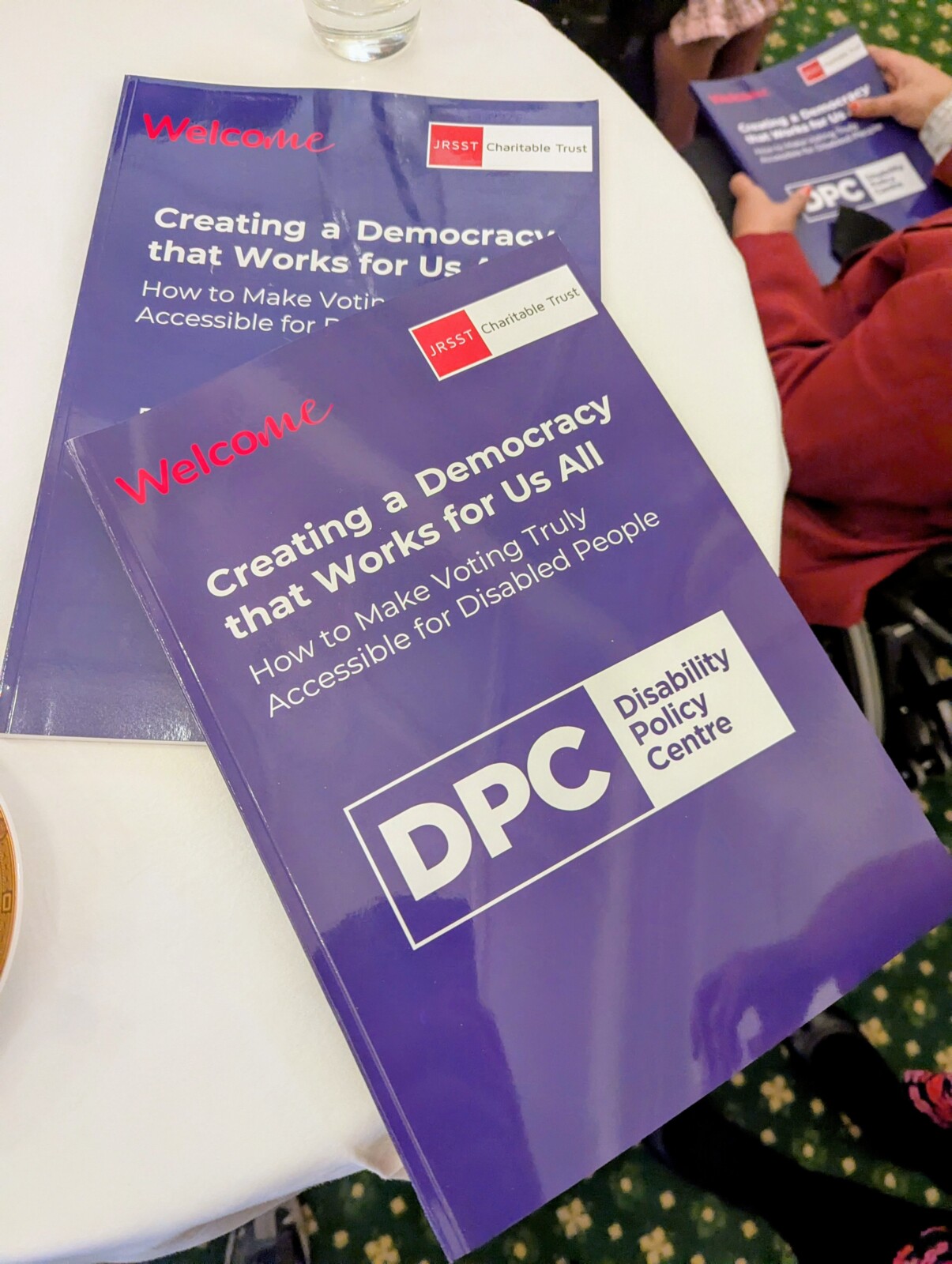
The organisation has just released a report about making voting accessible. It is called ‘Creating a Democracy that Works for Us All’. LDN London’s Community Hub members have helped with the research for this over the past year.
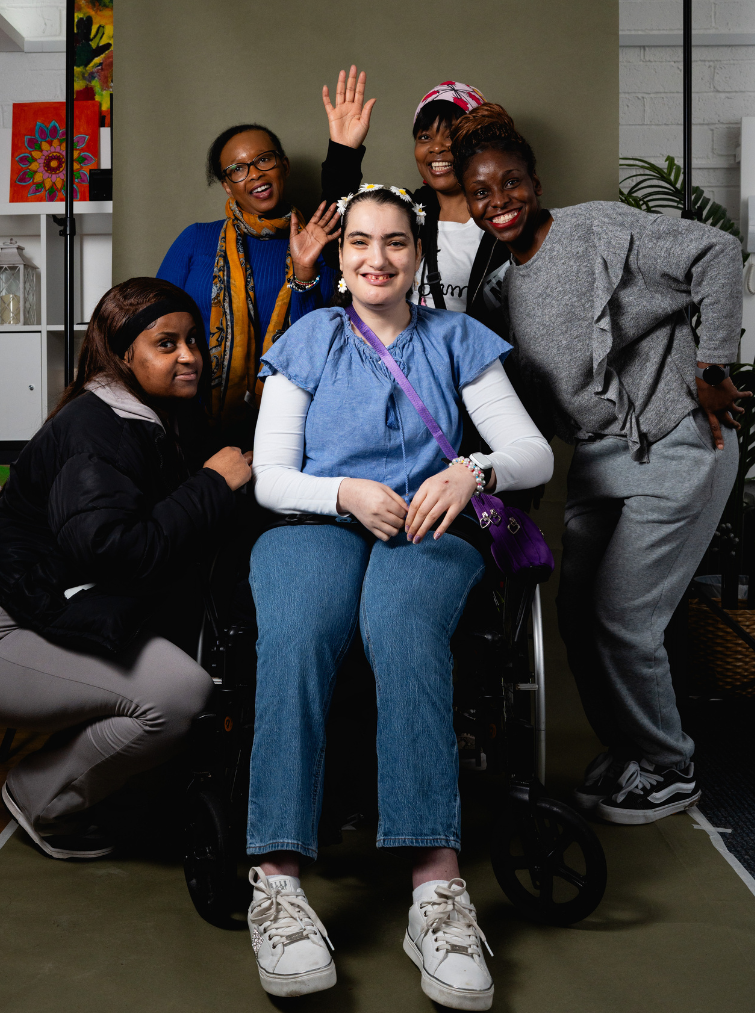
Disability Policy Centre visited us for a series of workshops. Our members – learning disabled and autistic adults – told them about their experiences of voting.
They talked about their struggles and barriers to voting. They also spoke about the things we have done to help people be prepared for voting, such as mock elections and information sessions.
The recommendations from this report will be shared across the country. We hope it will help make voting more accessible and inclusive for many others.
At LDN London we pride ourselves on supporting people to have choice. Are there many bigger choices than who to vote for?
Our teams make sure that people can go to the polling station and get the help they need to vote.
Read the Easy Read version of the report here.
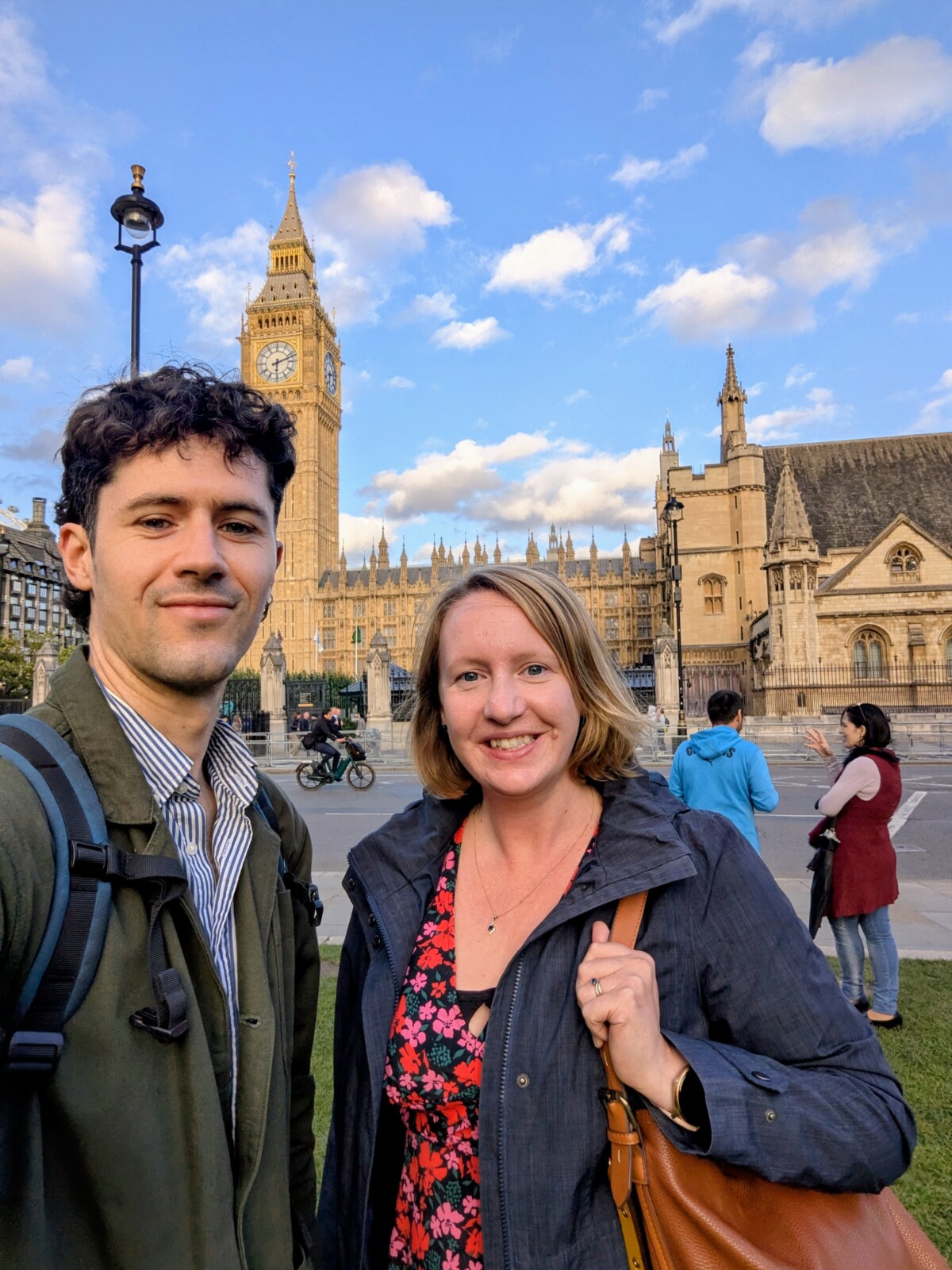
We were lucky to hear from some fantastic speakers at this event. Thank you to all of them. As well as accessible voting they talked about key issues around inclusion.
The speakers were:
Julie Minns, MP for Carlisle, Labour Party
Gáibhin McGranaghan, My Vote My Voice and Inclusion Ireland
Mike Wordingham, Policy Manager at RNIB
Michelle Anglesea, Engagement and Accessibility Officer, Sefton Council
Ria Patel, Councillor, Croydon Green Party
James Lee, Chair of event
Here are a few of my takeaways and ideas from the event:
- Accessibility around voting needs to be co-produced. It has to be much more than just consultation.
- Information, such as political manifestos and about voting, needs to be accessible, such as in Easy Read. They should be published much earlier and not as an afterthought – as they often are.
- MPs are not the experts on disability, we are. Sometimes we need to spell it out to MPs what the needs are of people with disabilities are. This sometimes requires patience and persistence.
- We can talk directly to election teams to make sure that their information is accessible and that accessibility is at the front of their minds.
- Some ideas that came up included mock elections, roundtable discussions, and regular inclusion groups – where people with disabilities speak directly to politicians in focus groups.
- The solutions to accessibility are out there. We need to demonstrate them to the government: For example, tactile audio devices for blind people.
- There are many types of disabilities and different people will need different support and adjustments. As well, we need to think about intersectionality. Some people have additional barriers to face as well as their disability, for example because they are also LGBTQ or because of their ethnic background.
- People should not need to ask for reasonable adjustments. They should be happening already and be available to them.
- There are too many barriers in place for disabled people working in governments. More needs to be done for better disabled representation in Parliaments and better reasonable adjustments. This is another important part of the puzzle.
- We can’t put a price on accessibility.